
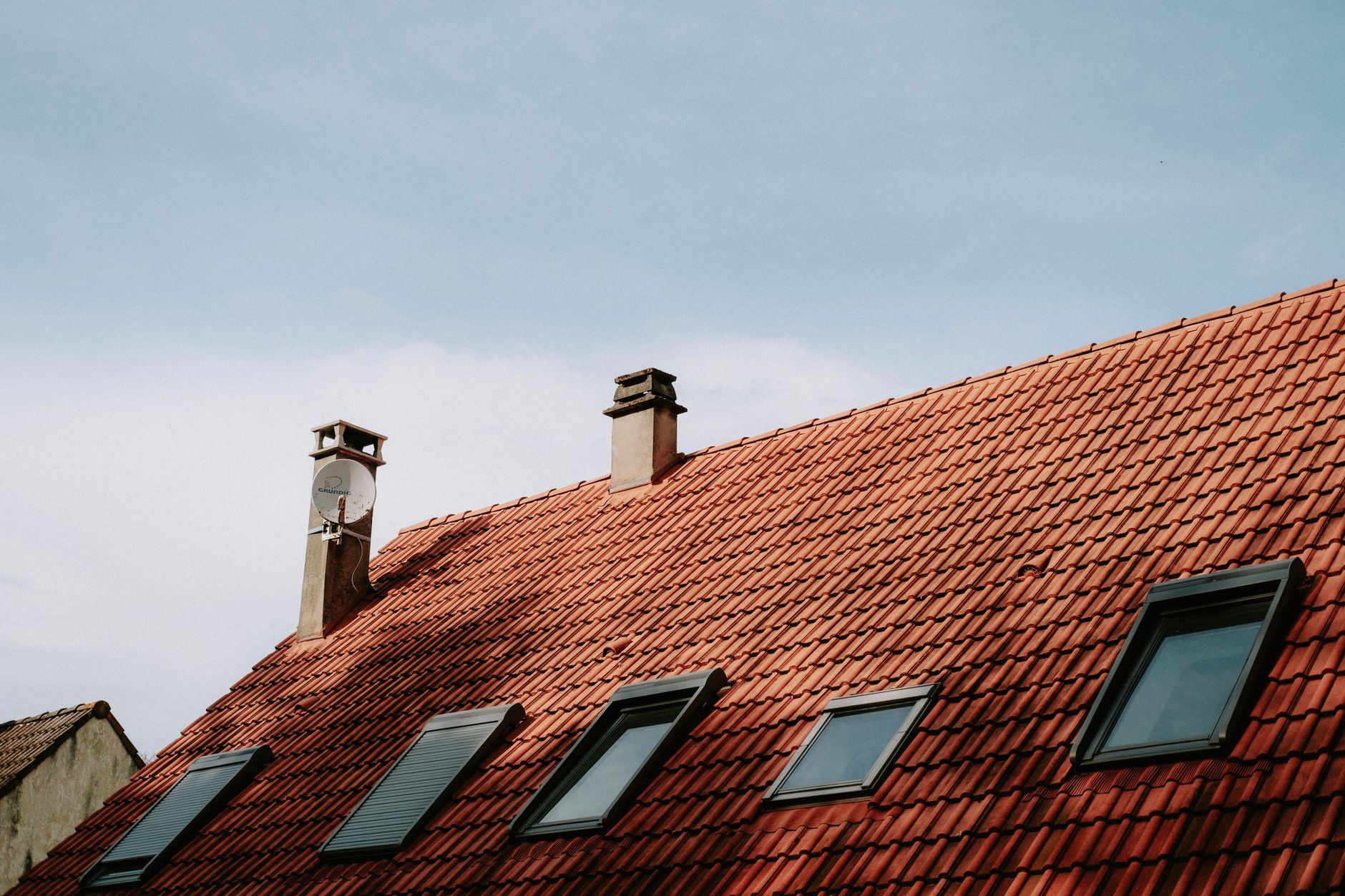
A unit sale with a fireplace: who owns the chimney?
Request a unit sale inspection
Tell us the community, which unit, and if you are the buyer or the seller. Our callback sets up access with the association.
Two owners, one chimney
A condo fireplace has a split personality. The opening, the glass doors, the damper handle and often the firebox sit inside the unit, and the owner is expected to keep them in order. The flue that runs up through the walls, the crown, the cap and the flashing on the roof are usually common area, cared for by the association and paid for out of dues. Where exactly the line falls depends on the CC&Rs, and they are not all written the same way.
That matters when a unit changes hands. A buyer who finds a cracked flue tile wants to know whether the seller fixes it, the HOA fixes it, or it sits on a waiting list for the next roofing contract. Our report answers the physical half of that question: what is wrong, where it is, and which part of the chimney it belongs to. The governing documents answer the rest.
Shared flues and stacked units
Two-storey buildings often stack fireplaces one above the other, and their flues rise side by side inside a single chase or masonry stack. Smoke from a downstairs fire can leak into the upstairs flue through a cracked divider, and a blocked cap on the roof can spoil the draft for both. When the fireplace in the unit for sale smokes, the cause may sit in a part of the building no single owner controls.
A Level 2 inspection runs a camera the full height of the unit's flue, looks at the shared top from the roof where the association allows access, and checks the chase from the attic where there is one. Gas fireplaces get the same attention: the vent pipe, its termination and the clearance around it.
- Unit side: firebox, damper, doors, gas valve and burner, hearth
- Shared side: flue walls, crown or chase top, cap, flashing, roof penetration
- Either side, depending on the documents: the liner and the smoke chamber
What a unit owner may repair
Most associations let an owner clean the firebox, replace doors, service a gas burner and repair the damper without asking. Anything that touches the roof, the exterior walls or the shared flue usually needs written approval from the board, and some communities hire their own contractor for that work. A seller who books a repair on the roof without approval can end up paying twice.
Our written quote separates the two groups so the seller can act on the unit items and pass the rest to the management company with photos attached. Buyers get the same split, which makes the request for repairs easier to word.
Inspection prices for a unit sale
Each fireplace in the unit is inspected and priced separately.
- Camera inspection for a sale, video and report
- $410
- Visual check only, no camera
- $175
Repairs found during the inspection are listed in a written quote, unit items and association items on separate lines.
Unit sale questions
Why a Level 2 for a condo and not just a look from the room?
Most of a condo chimney is hidden inside walls the owner never sees. A change of owner is one of the cases where the industry standard asks for the deeper inspection, and the camera is the only way to see the shared parts.
Do we need the association's permission to go on the roof?
Often yes. We ask the management company for roof access when the community requires it. If access is refused, the report says which parts were not seen and why.
The fireplace smokes. Is that the seller's problem or the HOA's?
It depends on the cause. A stuck damper is usually on the unit side. A clogged shared cap or a cracked flue divider is usually common area. The report names the cause so the right party can be asked.
Can the buyer and the seller both receive the report?
Yes. Whoever orders it decides who receives copies, and we send the same report to each person on that list.
Is a gas fireplace in a unit inspected differently?
The checks change. We look at the burner, the pilot, the valve, the vent pipe and where it ends outside, and take a carbon monoxide reading with the unit running.
Find out which side of the line each finding falls on
Send the community, the unit and your role in the sale through the contact page. We arrange access and send the split report to everyone you name.
Call (949) 879-2602