
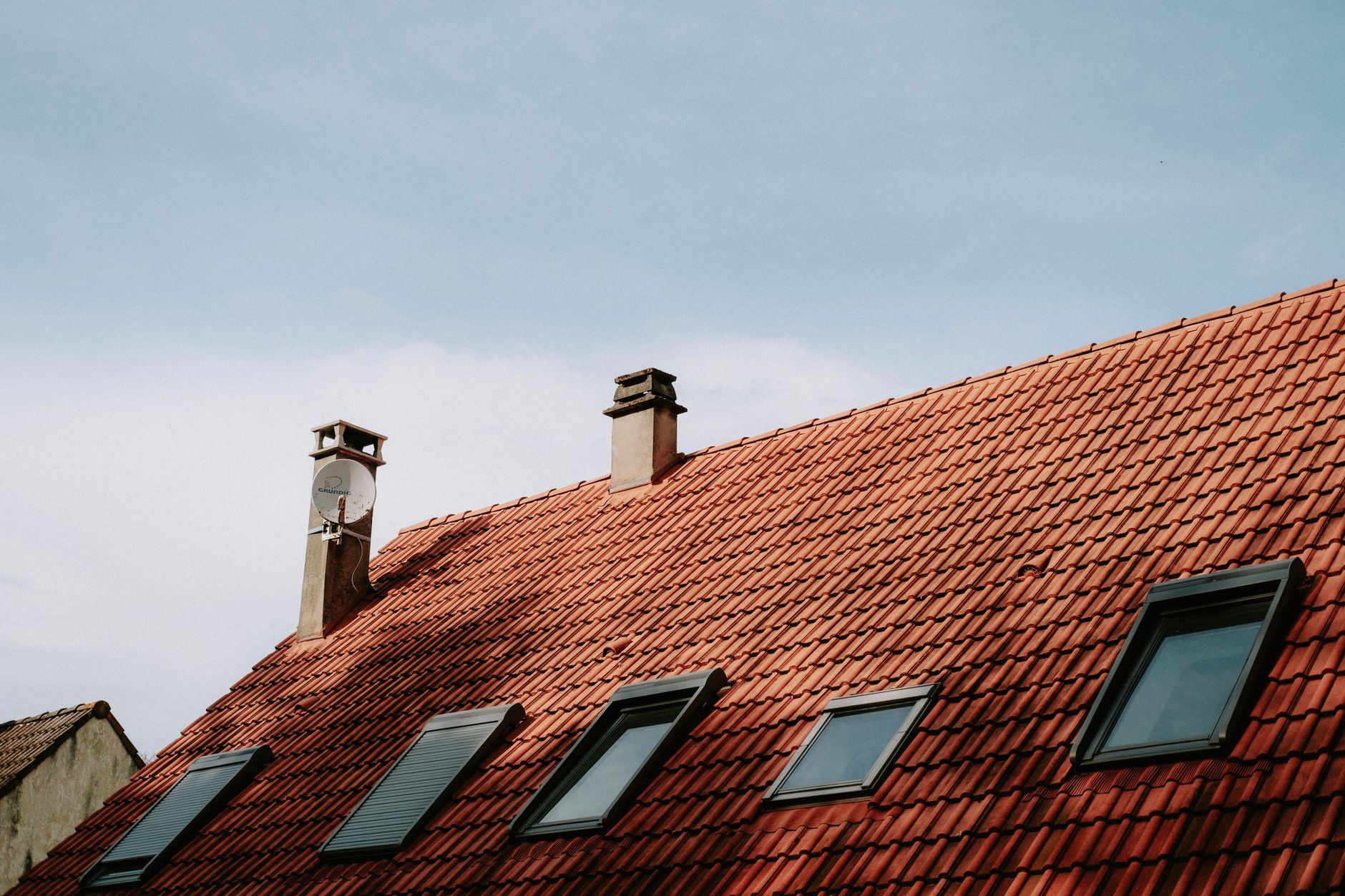
Chimney Chase Cover in Laguna Niguel
Describe the Trouble
Say what made you look at chimney chase cover: smoke, smell, a stain, a fire that dies. We reply with the right next step
What the Work Includes
On a prefab fireplace, the flue is a metal pipe hidden inside a wood-framed box on the roof. The cap plate over that box rusts, sags and holds water, which then drips inside onto framing and down the pipe. Owners notice rust streaks on the siding or a musty smell at the fireplace. We measure, have a sloped cover made with a crimped edge and seal the collar at the pipe.
Why Chase Covers Fail and What It Does to the Fireplace
A lot of homes in Laguna Niguel, Aliso Viejo and Lake Forest have factory-built fireplaces. Outside, the thing that looks like a chimney is a wood-framed box finished in siding or stucco, and inside it a steel flue pipe climbs to the roof. On top of that box sits a metal lid, cut where the pipe passes through and fitted with a collar, with the flue cap riding above. Many original covers were thin galvanized steel. Over time they rust, especially in salty air near the coast, and they sag in the middle so water pools on them instead of running off. Once rust eats through or the seam at the collar opens, water drips into the chase. From there it soaks studs and batts, rusts the firebox and the flue, rots wood, and in time shows as brown marks on the drywall near the fireplace. Water in the flue also makes the unit smell damp and can rust its damper.
Often the earliest clue is orange rust lines trailing down the siding below the chase top, well before any stain appears inside. Other signs are a cap that leans or rattles in the wind, water on the firebox floor after rain, and a fireplace that smells musty on damp days. On the roof, a cover that holds a puddle after a storm, or shows brown spots and pinholes, is close to failing. The longer water gets in, the more it costs: a cover alone is a modest job, but once the framing at the top of the chase has rotted or the firebox has rusted through, the repair grows. Rusted flue sections can also leak exhaust, and a damp flue draws badly, so a failing chase cover can be the hidden reason a factory-built fireplace has started to smoke.
What the Visit Finds and What the Quote Covers
On the roof we look at the cover, the collar and the cap, and check the siding and framing at the top of the chase for soft wood or gaps. Covers are fabricated for each chase, so we take its outside dimensions and locate the pipe within them. The new cover is stainless steel, shaped so water runs off, with a skirt bent down the outer walls and a drip hem along its edge. The flue goes through a sealed collar, with a storm collar on the pipe above. The existing cap is refitted if it is sound; a rusted one is replaced. Where the maker's cap is required for the flue, we keep to it. The cover is fastened to the chase walls, not just set on top, so Santa Ana gusts cannot lift it, and its seams are sealed.
The written quote lists the cover, the collar and cap work, and any repairs to the chase framing or siding we found. Chase covers have no list price, since each is made to measure, so the figure comes after the roof visit. If water has been getting in for a while, we also look at the fireplace and flue for rust and tell you what we see. Stainless covers cost more than painted galvanized ones but stand up to salt air far longer, which is why we fit stainless near the coast and suggest it inland as well. If the siding or stucco near the top of the chase is cracked or soft, we include the repair or tell you it needs one, since a new cover cannot keep water out of a chase whose walls let it in.
How Payne Chimney Experts Handles It
Symptom First
We start from what you see and smell in the room
Fire Tested
Draft watched with a small fire or a running burner
Priced by Item
Listed prices where we publish them, written quotes otherwise
Air Checked
A carbon monoxide reading before we leave
Chimney Chase Cover: cities with a page
Cities where this work has a page of its own, with notes on local homes, weather and how they affect draft.
Nothing found under that name. Check the spelling, or open the areas page for the full list.
More Services
Chimney Sweep
Soot and glazed tar scrubbed from the flue so the draft pulls smoke up again instead of letting it roll into the room.
Read more →Chimney Inspection
Level 1, 2 or 3 to NFPA 211, aimed at why smoke, smell or a weak draft keeps showing up in your room.
Read more →Chimney Repair
Crown, joint, tile and top repairs that restore a flue able to carry smoke out cleanly and keep rain off the soot.
Read more →Fireplace Inspection
Firebox, damper, smoke shelf, glass and hearth looked over when a fireplace smokes, smells or feels drafty with no fire lit.
Read more →Fireplace Repair
Smoky openings, cracked fireboxes, stuck dampers and leaky doors fixed so the fire burns where it should and smoke leaves upward.
Read more →Chimney Level 2 Inspection
Recorded camera pass up the full flue, plus attic, roof and crawlspace checks, for sales, chimney fires, quakes and new appliances.
Read more →Chimney Cap Installation
Steel or copper tops with spark mesh that keep downdrafts, rain and nesting birds from spoiling the draft.
Read more →Chimney Flashing Repair
Leaks where chimney meets roof traced from above and below, then sealed with new step, counter or cricket metal.
Read more →Chimney Masonry Repair
Open joints, loose brick and spalled faces repaired so the stack stays tight, dry and able to hold a steady draft.
Read more →Chimney Rebuilds
Stacks too far gone to patch taken down and relaid, with a flue sized to the fireplace so the new chimney drafts properly.
Read more →Fireplace Cleaning
Ash, soot and smoke stains cleared from the firebox, face and doors, with the damper scraped so it closes fully.
Read more →Gas Fireplace Cleaning
Yearly service of burner, pilot, logs, glass and outside vent so a gas fireplace lights cleanly and stops smelling.
Read more →Gas Fireplace Repair
Pilots that drop out, burners that blacken the glass and units that smell of gas traced to the failed part and fixed.
Read more →Fireplace Remodel
New faces, mantels, hearths and gas conversions planned around an opening and flue that will draft without smoking the room.
Read more →Fireplace Inserts
Sealed gas or wood inserts with a full-height liner, a cure for open fireplaces that smoke, smell or waste heat.
Read more →Pellet Stove Repair
Pellet stoves that smoke at startup, smell, or shut down mid-burn diagnosed part by part and returned to steady running.
Read more →Wood Stove Repair
Stoves puffing smoke past the door, racing through wood or failing to draw, put right with fresh seals, baffles and brick.
Read more →Gas Logs
Vented and vent-free log sets chosen for your firebox, flue and room, installed so the flame looks right and the air stays clear.
Read more →Chimney Seismic Retrofit
Brick chimneys braced, strapped or rebuilt lighter above the roof so a strong shake is less likely to bring them down.
Read more →Chimney Crown Repair
Cracked or flat crowns sealed or recast with a proper slope and overhang so water stops reaching the flue and brick.
Read more →Dryer Vent Cleaning
Lint cleared from the duct between dryer and outside hood so clothes dry in one cycle and hot air leaves the house.
Read more →Chimney Liner Installation
Stainless liners run full height to fix cracked tile, an oversized flue or a new insert, so smoke and gases stay inside.
Read more →Chimney Leak Repair
Water at the chimney traced to crown, top, metal or brick and fixed at that spot, ending wet ceilings and damp-soot smells.
Read more →Chimney Waterproofing
Breathable repellent on sound brick, so rain sheds off, the stack dries out and damp smells stop drifting from the fireplace.
Read more →Chimney Damper Repair
Dampers that stick, warp or let cold air and smells pour down repaired, or replaced with a top-sealing damper.
Read more →