
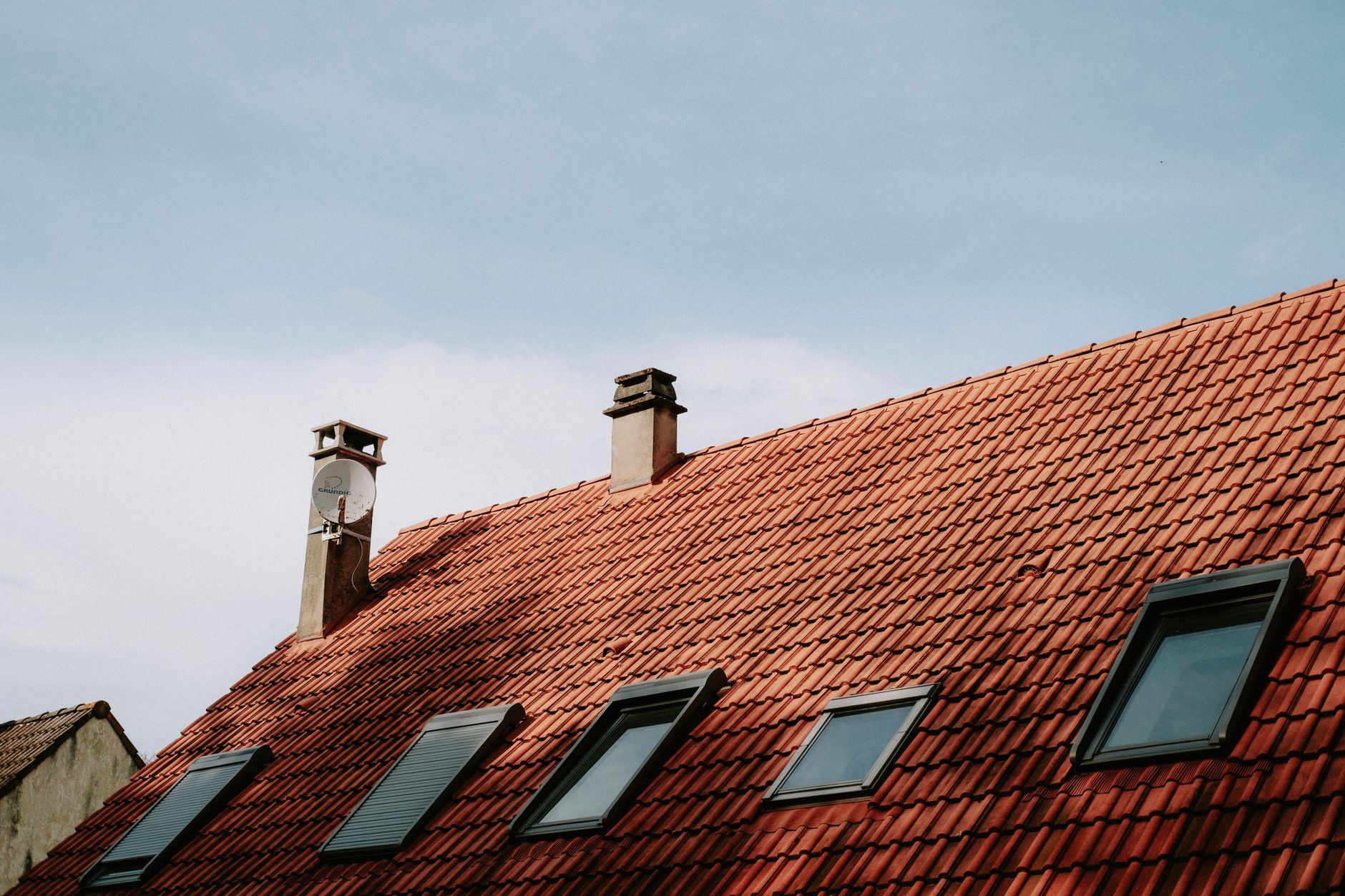
Chimney Seismic Retrofit in Laguna Niguel
Describe the Trouble
Say what made you look at chimney seismic retrofit: smoke, smell, a stain, a fire that dies. We reply with the right next step
What the Work Includes
Southern California chimneys took heavy damage in the 1987 Whittier Narrows quake and the 1994 quake, mostly above the roof where unreinforced brick stands free. We look at how the stack sits, whether its mortar holds and how it meets the house. Options include steel bracing back to roof framing, straps at floor and ceiling lines, or swapping the top brick for a lighter framed section. Each option comes priced in writing.
Why Brick Chimneys Fail in Quakes
During a strong earthquake a wood house flexes, and a brick chimney mostly does not. The chimney is a narrow stack of masonry with a lot of weight up high and very little steel inside it, held to the house at a few points. When the ground moves, the light frame whips back and forth while the masonry lags behind it, and the stress collects where they meet, most often at the roof line. That is where chimneys crack through and where the upper part can topple, onto the roof, a walkway or a car. Southern California has seen it in more than one quake, and the 1994 quake left a lot of broken chimneys behind it. The damage is not only visible: a quake can also crack flue tile out of sight, which changes how the chimney draws and lets heat and smoke through the cracks. Homes in Laguna Niguel are mostly newer construction with metal flues, but masonry chimneys are common in San Juan Capistrano and the older parts of Laguna Beach.
A retrofit makes the chimney less likely to break apart or fall. It does not make it quake-proof, and we will not claim it does. What it does is cut the chance that the upper stack breaks off and falls, which is where most of the injury and damage risk sits. The retrofit visit also usually shows whether past quakes have already cracked the flue tile. For owners who still burn wood, keeping the chimney whole matters for smoke as well as safety, since a stack cracked at the roof line can open gaps where smoke and heat escape and cold air leaks in. For owners who no longer burn wood, the choice may be simpler, and a shorter chimney with a metal flue for a gas appliance can be the lighter and cheaper path. We explain the options either way and let you decide which matters most.
The Options and What Our Quote Covers
Retrofits come in three flavors, often combined. Bracing ties the exposed top of the stack back to the rafters with steel, giving the part that sways most a prop. Anchoring fastens the masonry to the house framing lower down, so chimney and walls ride the shaking as one instead of tearing loose. Lowering removes the weight that could fall: the brick comes off near the roof and a lighter metal flue and cap carry on above it, or the chimney is closed off entirely if the fireplace has gone unused. A stack that is already loose or cracked through has to be repaired or rebuilt before it can be braced, because steel fastened to failing brick holds nothing. The mix we suggest follows from the stack's height, its brick and whether you still burn in it, and the visit is how we find that out.
On the visit we measure how far the stack stands clear of the roofing, test whether mortar crumbles under a pick, find whatever holds it to the house today, and look down the flue. The written quote names the approach we recommend and why, the work it involves, what it costs, and any repair that has to come first. If the brick is sound and the stack is short, the answer may be that little work is needed, and the quote will say that too. If the chimney turns out to need only modest work, or a retrofit would cost more than taking the stack down, we say so. Nothing is pitched as a cure-all: the aim is a chimney less likely to fall on someone, at a price you can weigh.
How Payne Chimney Experts Handles It
Symptom First
We start from what you see and smell in the room
Fire Tested
Draft watched with a small fire or a running burner
Priced by Item
Listed prices where we publish them, written quotes otherwise
Air Checked
A carbon monoxide reading before we leave
Chimney Seismic Retrofit: cities with a page
Cities where this work has a page of its own, with notes on local homes, weather and how they affect draft.
Nothing found under that name. Check the spelling, or open the areas page for the full list.
More Services
Chimney Sweep
Soot and glazed tar scrubbed from the flue so the draft pulls smoke up again instead of letting it roll into the room.
Read more →Chimney Inspection
Level 1, 2 or 3 to NFPA 211, aimed at why smoke, smell or a weak draft keeps showing up in your room.
Read more →Chimney Repair
Crown, joint, tile and top repairs that restore a flue able to carry smoke out cleanly and keep rain off the soot.
Read more →Fireplace Inspection
Firebox, damper, smoke shelf, glass and hearth looked over when a fireplace smokes, smells or feels drafty with no fire lit.
Read more →Fireplace Repair
Smoky openings, cracked fireboxes, stuck dampers and leaky doors fixed so the fire burns where it should and smoke leaves upward.
Read more →Chimney Level 2 Inspection
Recorded camera pass up the full flue, plus attic, roof and crawlspace checks, for sales, chimney fires, quakes and new appliances.
Read more →Chimney Cap Installation
Steel or copper tops with spark mesh that keep downdrafts, rain and nesting birds from spoiling the draft.
Read more →Chimney Flashing Repair
Leaks where chimney meets roof traced from above and below, then sealed with new step, counter or cricket metal.
Read more →Chimney Masonry Repair
Open joints, loose brick and spalled faces repaired so the stack stays tight, dry and able to hold a steady draft.
Read more →Chimney Rebuilds
Stacks too far gone to patch taken down and relaid, with a flue sized to the fireplace so the new chimney drafts properly.
Read more →Fireplace Cleaning
Ash, soot and smoke stains cleared from the firebox, face and doors, with the damper scraped so it closes fully.
Read more →Gas Fireplace Cleaning
Yearly service of burner, pilot, logs, glass and outside vent so a gas fireplace lights cleanly and stops smelling.
Read more →Gas Fireplace Repair
Pilots that drop out, burners that blacken the glass and units that smell of gas traced to the failed part and fixed.
Read more →Fireplace Remodel
New faces, mantels, hearths and gas conversions planned around an opening and flue that will draft without smoking the room.
Read more →Fireplace Inserts
Sealed gas or wood inserts with a full-height liner, a cure for open fireplaces that smoke, smell or waste heat.
Read more →Pellet Stove Repair
Pellet stoves that smoke at startup, smell, or shut down mid-burn diagnosed part by part and returned to steady running.
Read more →Wood Stove Repair
Stoves puffing smoke past the door, racing through wood or failing to draw, put right with fresh seals, baffles and brick.
Read more →Gas Logs
Vented and vent-free log sets chosen for your firebox, flue and room, installed so the flame looks right and the air stays clear.
Read more →Chimney Crown Repair
Cracked or flat crowns sealed or recast with a proper slope and overhang so water stops reaching the flue and brick.
Read more →Dryer Vent Cleaning
Lint cleared from the duct between dryer and outside hood so clothes dry in one cycle and hot air leaves the house.
Read more →Chimney Liner Installation
Stainless liners run full height to fix cracked tile, an oversized flue or a new insert, so smoke and gases stay inside.
Read more →Chimney Leak Repair
Water at the chimney traced to crown, top, metal or brick and fixed at that spot, ending wet ceilings and damp-soot smells.
Read more →Chimney Waterproofing
Breathable repellent on sound brick, so rain sheds off, the stack dries out and damp smells stop drifting from the fireplace.
Read more →Chimney Damper Repair
Dampers that stick, warp or let cold air and smells pour down repaired, or replaced with a top-sealing damper.
Read more →Chimney Chase Cover
Rusted or dished metal tops on framed chimneys replaced with a sloped stainless cover cut to fit the chase.
Read more →