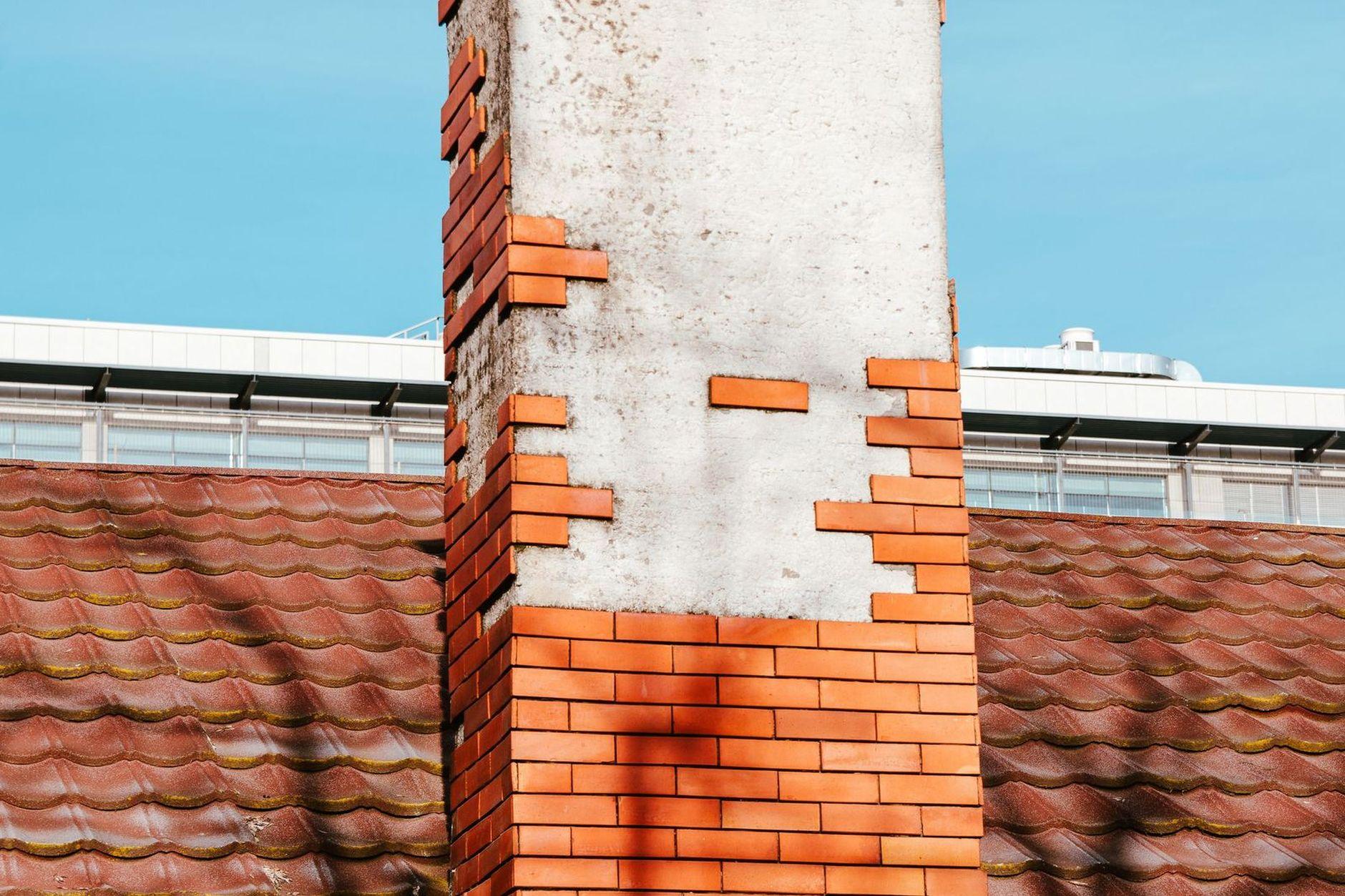
Most smoky fireplaces get the wrong first fix
A homeowner in Laguna Niguel books a sweep because the fireplace smokes. The sweep is done, the fire still smokes, and a second company suggests a new cap. The cap goes on, and the smoke keeps coming. By the third visit the owner has paid for two jobs and still does not know the cause. That story is common, and it nearly always comes from hiring for a fix before anyone has found the fault.
This guide is about choosing the right person for a fireplace that will not draw, smells of smoke, or sends exhaust into the room. It covers what a proper diagnosis looks like, what you should receive at the end, and the signs that a company is selling a part rather than solving a problem.
A diagnosis has to be shown, not stated
Poor draft nearly always traces back to one of six things. The flue may be narrowed. The damper may stop part way. The opening may be oversized for the flue. The house may be sucking air down the chimney. The cap may be blocked or gone. Or the top may sit too low beside the roofline. A good technician works down that list on site and rules each one in or out with something you can see.
That usually means some of the following:
- A small test fire, or a smoke pencil held at the opening, to watch which way the air moves
- The same test repeated with the kitchen fan and the dryer running, and again with a window cracked open
- The damper opened and shut by hand, with a light on the plate to see how far it moves
- A tape measure across the fireplace opening and on the flue, to compare their sizes
- A look at the cap and the chimney top from the roof
- A camera run when the flue itself is the suspect
If the person at your house skips all of that and proposes a part within ten minutes, ask how they know.
Wood, gas or both
Fireplaces in Laguna Niguel, San Juan Capistrano, Laguna Beach and Lake Forest are a mix of masonry wood burners, factory-built metal boxes and gas units of every age. They do not all fail the same way, and not every company works on all three.
A wood fireplace that smokes needs someone who understands masonry flues, dampers and the smoke chamber. A factory-built box needs someone who knows that its parts are tested together and cannot be swapped for whatever fits. A gas unit that leaves soot or smells needs a technician who works on burners, pilots and vents. When you book, say which kind you have, and ask whether the person coming works on that type. We send a technician who handles the type you describe, and our fireplace repair and gas fireplace repair pages show what each visit covers.
What the first visit should cost
The first visit is usually an inspection, a sweep or both. Our published prices for them are fixed:
| Visit | Price |
|---|---|
| A look at the reachable parts, no camera | $175 |
| Flue brushed and smoke chamber cleared | from $440 |
| Full camera inspection with video | $410 |
If the cause turns out to be something on that list, the bill ends there. If it turns out to be a damper, a liner or a change to the opening, those carry a written figure once we have measured the chimney. A company that gives you a firm repair price without having seen the flue is guessing, and you are the one who pays for the guess.
What decides the next step
The cause decides it, and the cause comes from the tests above. If you can tell us three things before the visit, we can usually send the right person with the right equipment: what the fireplace burns, when the smoke shows up during a fire, and whether anything changed recently in the house, such as new windows, a new range hood or a roof repair. Put those in the quote request form and we call back with the visit we suggest and what it costs.
What you should receive
At the end of the visit you should be holding a written answer, not a verbal one. Ours names:
- The cause we found, and how we tested for it
- What we ruled out, so nobody pays to fix it later
- The repair we recommend, with the published price or a written figure
- A carbon monoxide reading taken in the room with the fire or burner running
- Photos or video of the parts that matter
A written cause is useful even if you hire someone else for the repair. It stops the next company from starting the guessing over again.
Signs to slow down
Not every warning sign means a bad company, but each one is a reason to ask another question:
- A repair is priced before anyone has looked at the flue
- The proposal is the same no matter what you describe
- Nobody asks whether the fireplace is wood or gas
- The visit ends without a test fire or a smoke test
- You are told the problem is "just the weather" with no check of the draft
Smoke in the room is a symptom. The person you hire should treat it as one and come back with its cause.
Carbon monoxide changes the order
If a carbon monoxide alarm has gone off, or people in the house feel unwell when the fireplace runs, stop using it before you hire anyone. Air the house out. A draft problem can wait a week; carbon monoxide cannot.
More on this: smoky fireplace repair costs and sweep or repair.
When you want the cause found before you pay for a fix, the contact page gets a Payne Chimney Experts technician booked for your house.
Smoke or Odor in Your Own Living Room?
Payne Chimney Experts is based in Laguna Niguel and covers the nearby south Orange County cities. We watch the fireplace burn, find what is holding the smoke back, and explain the fix before pricing it.