The clues sellers leave behind
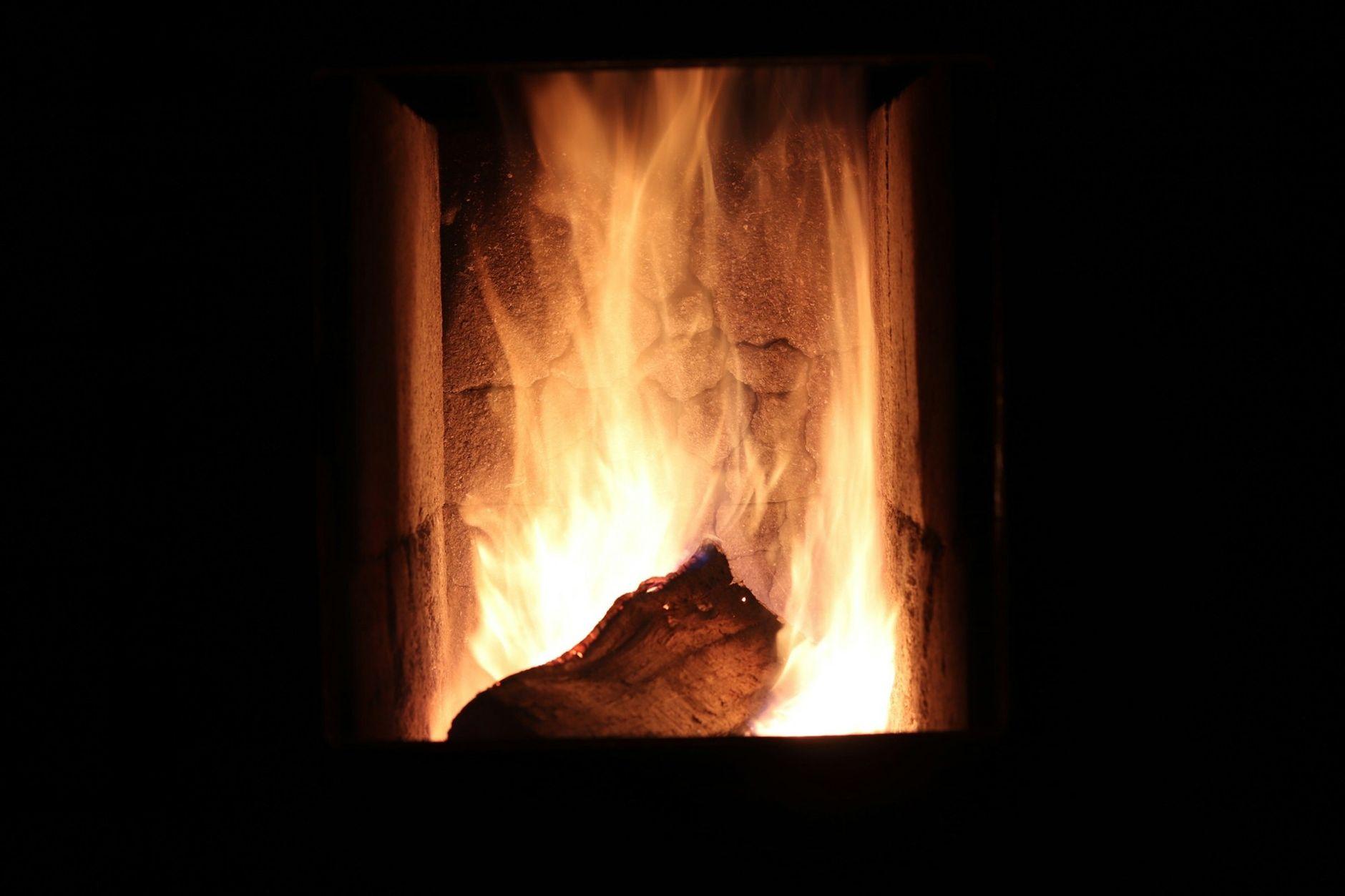
You walk through a house in Laguna Niguel and the fireplace looks lovely. Then you notice a grey shadow on the brick above the opening, a small fan sitting on the hearth, or glass doors that the seller keeps firmly shut. None of those proves a problem, but each one is a hint that the fireplace has been sending smoke into the room, and that someone has been working around it rather than fixing it.
This guide is for buyers who want to know what they are taking on before escrow closes. It covers the signs of draft trouble, why a general home inspection rarely settles them, and what a chimney inspection for a purchase should give you.
Signs worth a closer look
Look for these during a showing or the home inspection:
- Dark staining on the face of the fireplace or the ceiling just above it
- A smell of old smoke in the room, strongest on warm afternoons
- A sheet metal strip or glass panel fixed across the top of the opening, often added to stop smoke rolling out
- A fan, a cracked window or a note about "opening the slider first"
- A gas log set fitted into what was clearly built as a wood fireplace, with the damper chained open or missing
- Soot on the glass of a gas fireplace, or white haze that does not wipe off
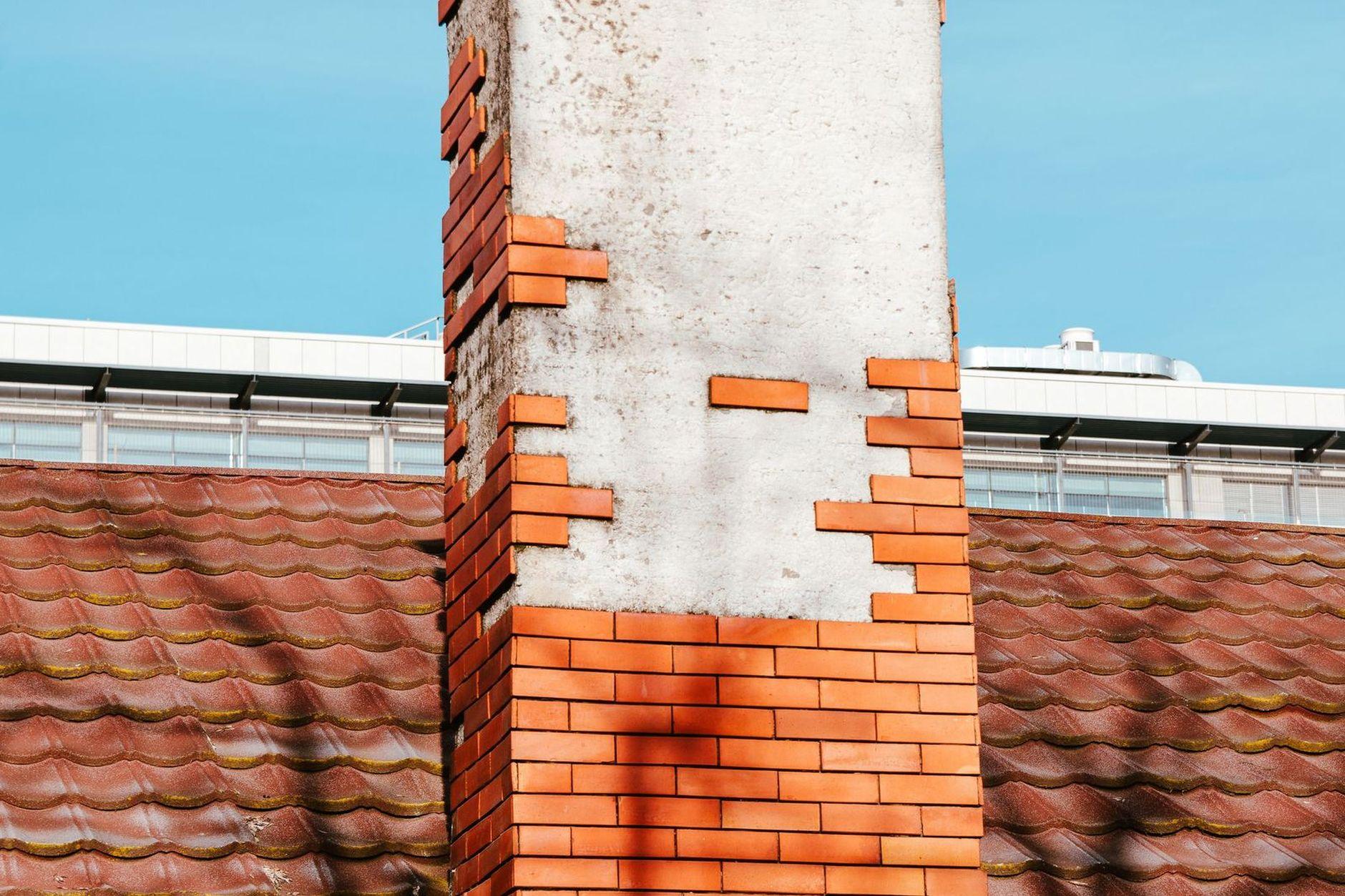
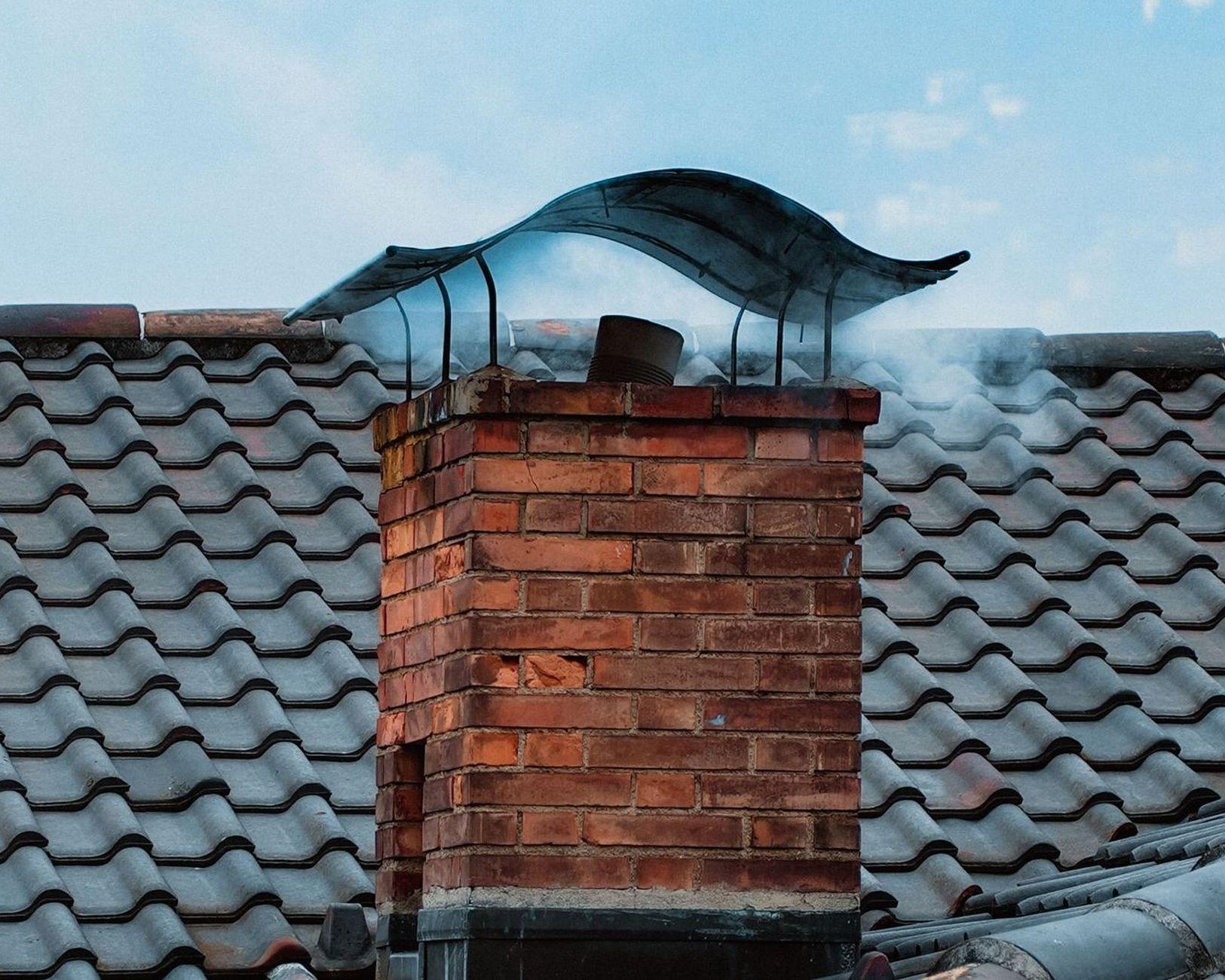
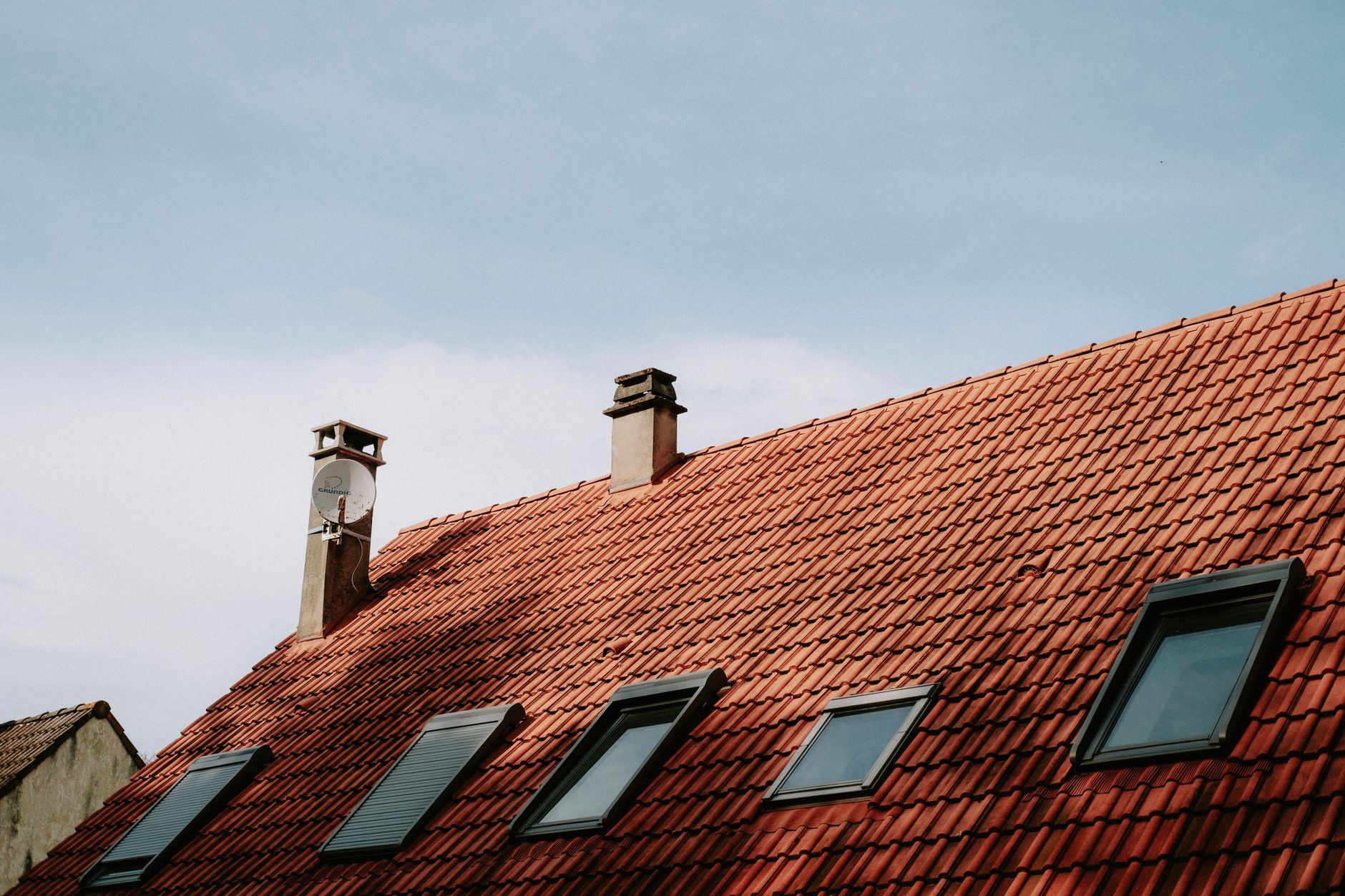
- A cap that is rusted, bent or missing, visible from the street
A smoke guard or a fan tells you the last owner knew the fireplace smoked. That is useful information. It does not tell you why.
Why the home inspection leaves it open
A general inspector covers the whole house in one visit. For the fireplace that usually means a look at the opening, the hearth and the damper with a flashlight, and a look at the outside of the chimney from the ground or the roof. Most reports then recommend a chimney specialist for anything further, and that line is easy to skip during a busy escrow.
Draft faults hide in the parts a flashlight cannot reach: the smoke chamber above the damper, the joints between flue tiles, the top of the flue under the cap. A crack in the flue lets exhaust leak into the walls of the house as well as into the room, which is why it matters even if you never plan to light a fire.
The inspection meant for a purchase
Chimney inspections in the United States are graded under NFPA 211, and a sale is one of the moments that standard ties to its Level 2. The reasoning is plain: a buyer inherits a fireplace with no history attached, so the inspection has to look where the history would have shown. Ours includes:
- A camera along the full height of every flue, recorded on video
- The smoke chamber, damper and firebox, inside and out
- The cap, crown and flashing from the roof
- The chimney where it passes through the attic, where it can be reached
- A draft check with a small test fire or smoke test, and a carbon monoxide reading in the room
For a gas fireplace, the burner, pilot, valve and vent replace the masonry checks, and the carbon monoxide reading is taken with the unit lit.
What it costs
| Inspection | Price |
|---|---|
| Purchase inspection with video of every flue | $410 |
| Visual check of reachable parts, no camera | $175 |
The visual check is useful for a fireplace you already know well. For a house you are buying, the camera inspection is the one that answers the draft question. If the house has two fireplaces, each one is inspected and priced.
What decides your next step
The report decides it. If the inspection finds a clear flue, a working damper and good draft, you can close knowing the fireplace is usable. If it finds a fault, the report names it, says where it is and gives our published price or a written figure for the repair. That gives your agent something concrete to put in the request for repairs or a credit.
When you are ready to book, use the quote request form and include the address, how many fireplaces the house has, whether each burns wood or gas, and who should receive the report. For condos and townhouses, add the community name, because some chimney parts belong to the association. Our unit sale page explains that split.
Common findings in Laguna Niguel homes
Houses here range from older tracts to recent townhouse communities, so the findings vary. Older masonry fireplaces tend to show worn dampers, cracked flue tiles and caps that have rusted in the marine air. Factory-built fireplaces from the same years can have rusted chimney tops, missing parts or replacement parts that do not belong to that model. Gas units show sooty glass, worn burners and vents that end too close to a window.
None of these is unusual, and most have a known repair. The point of the inspection is to know which ones apply before you own the house rather than after.
Who handles the repairs
Repairs are a matter for the buyer and the seller to agree. We write the scope in plain lines with prices so both sides can read it the same way. Agents who need repairs done and documented before close can find the details on our escrow repairs page.
Further reading: smoky fireplace repair costs and damper repair costs.
Buying in Laguna Niguel and want the fireplace checked before close? The contact page is where to start.
Smoke or Odor in Your Own Living Room?
Payne Chimney Experts is based in Laguna Niguel and covers the nearby south Orange County cities. We watch the fireplace burn, find what is holding the smoke back, and explain the fix before pricing it.