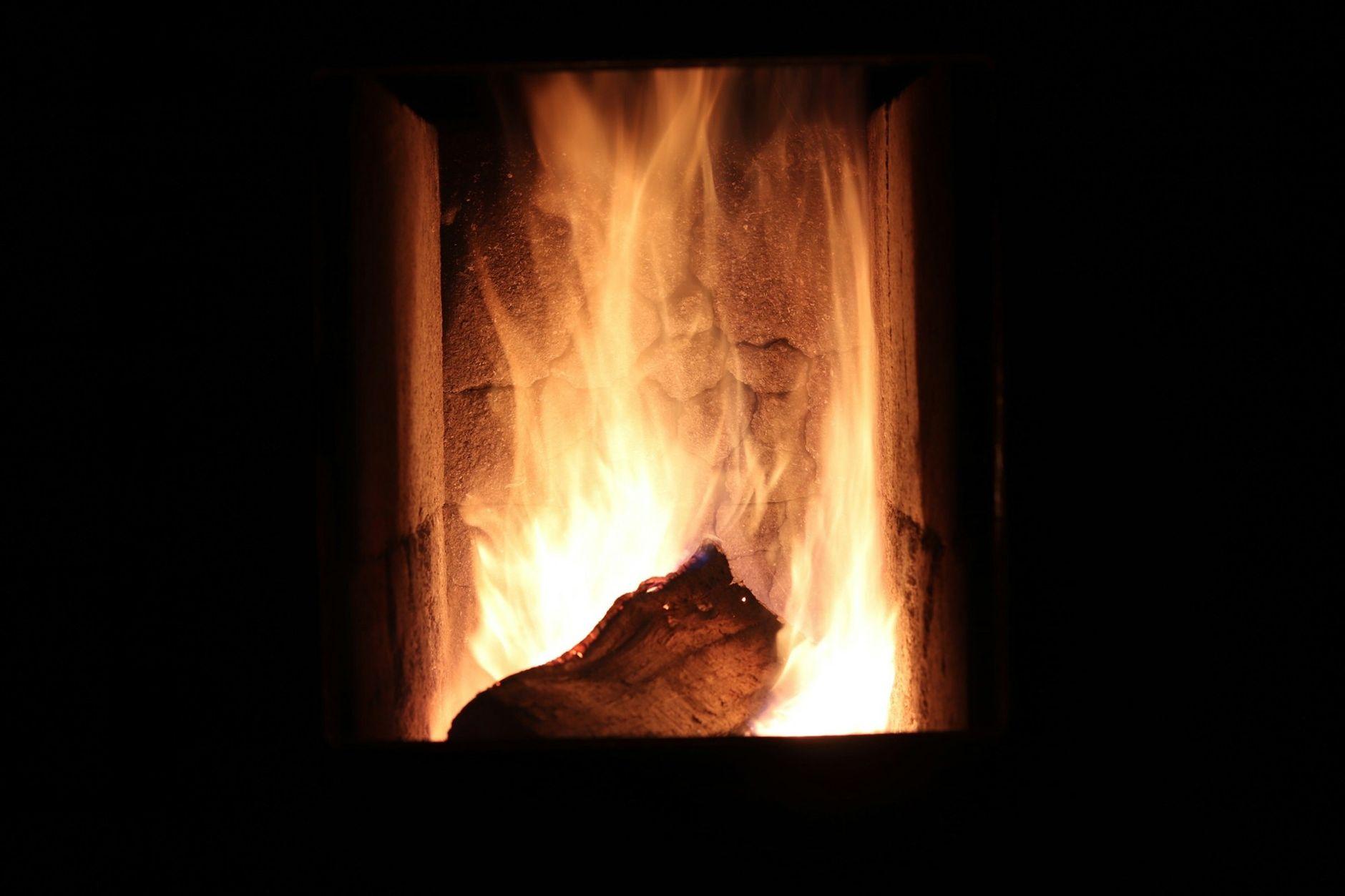
Start with when the smoke appears
"It smokes for the first ten minutes." "It smokes once the fire is roaring." "It only smokes when the bathroom fan is on." Those sound like one complaint, but they point at different parts of the fireplace and lead to different bills. When a homeowner in Laguna Niguel tells us the living room fills with smoke, our first question is when it happens, because that answer narrows the likely cost before anyone sets up a ladder.
Payne Chimney Experts spends most of its time on draft trouble: fireplaces that spill smoke, smell of old fires on warm days, or never seem to pull. This guide sets out what those repairs cost here, which of them carry a published price, and which ones only get a figure once the flue has been measured.
Why a fireplace stops pulling
A chimney works because hot exhaust is lighter than the cooler air around the house. The warm column in the flue rises, and room air flows in at the bottom to feed the fire. Anything that weakens that column, or puts something in its way, sends smoke along the easiest route, which is out through the front of the opening and up the wall above the mantel.
The causes we turn up most, roughly in order:
- Soot and creosote narrowing the flue so the exhaust cannot move fast enough
- A damper that opens only part way, or a plate that has dropped off its seat
- A fireplace opening too large for the flue above it
- A house sealed so well, or a range hood so strong, that air gets pulled down the chimney
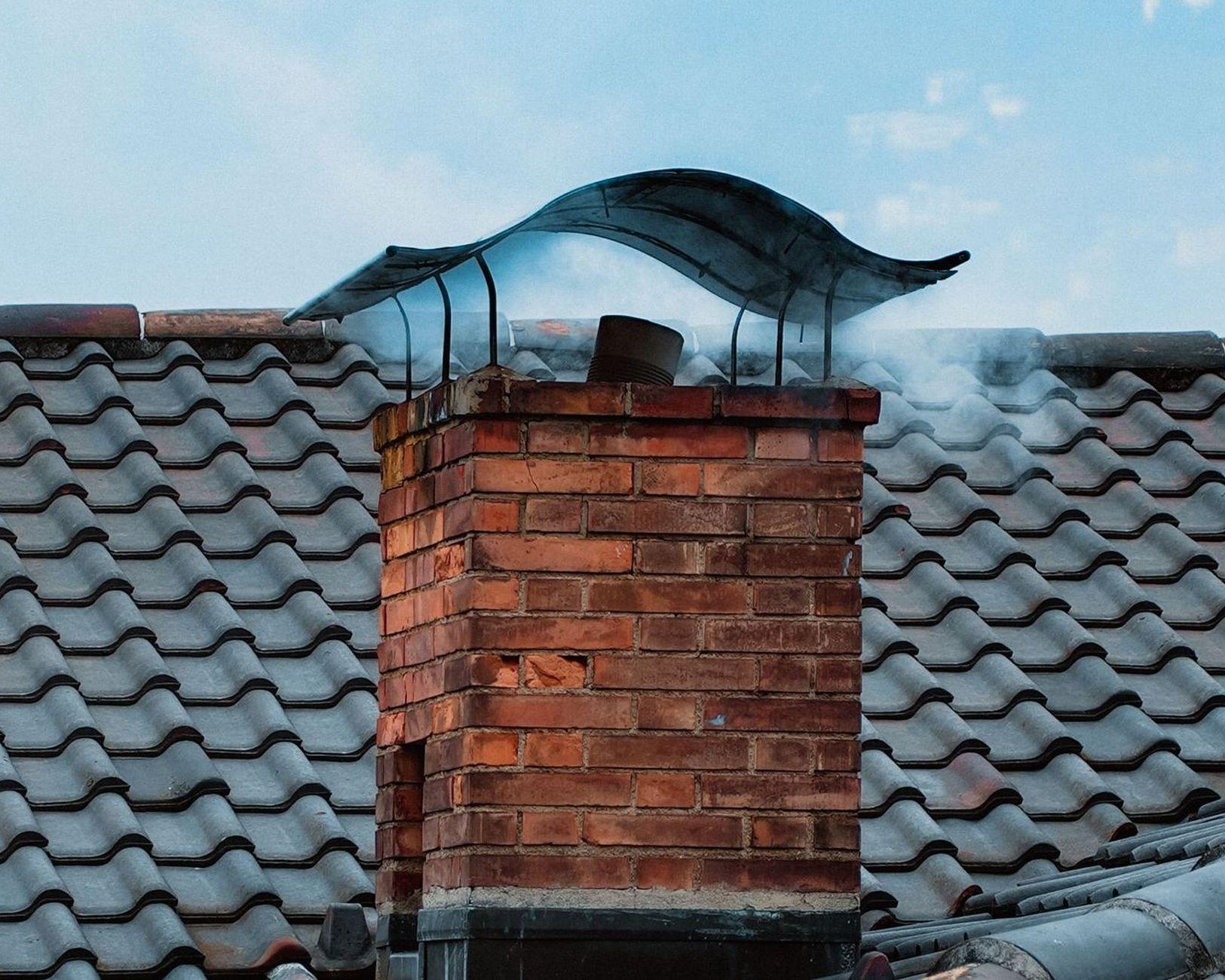
- A cap screen packed with soot and leaves, or no cap at all on a windy ridge
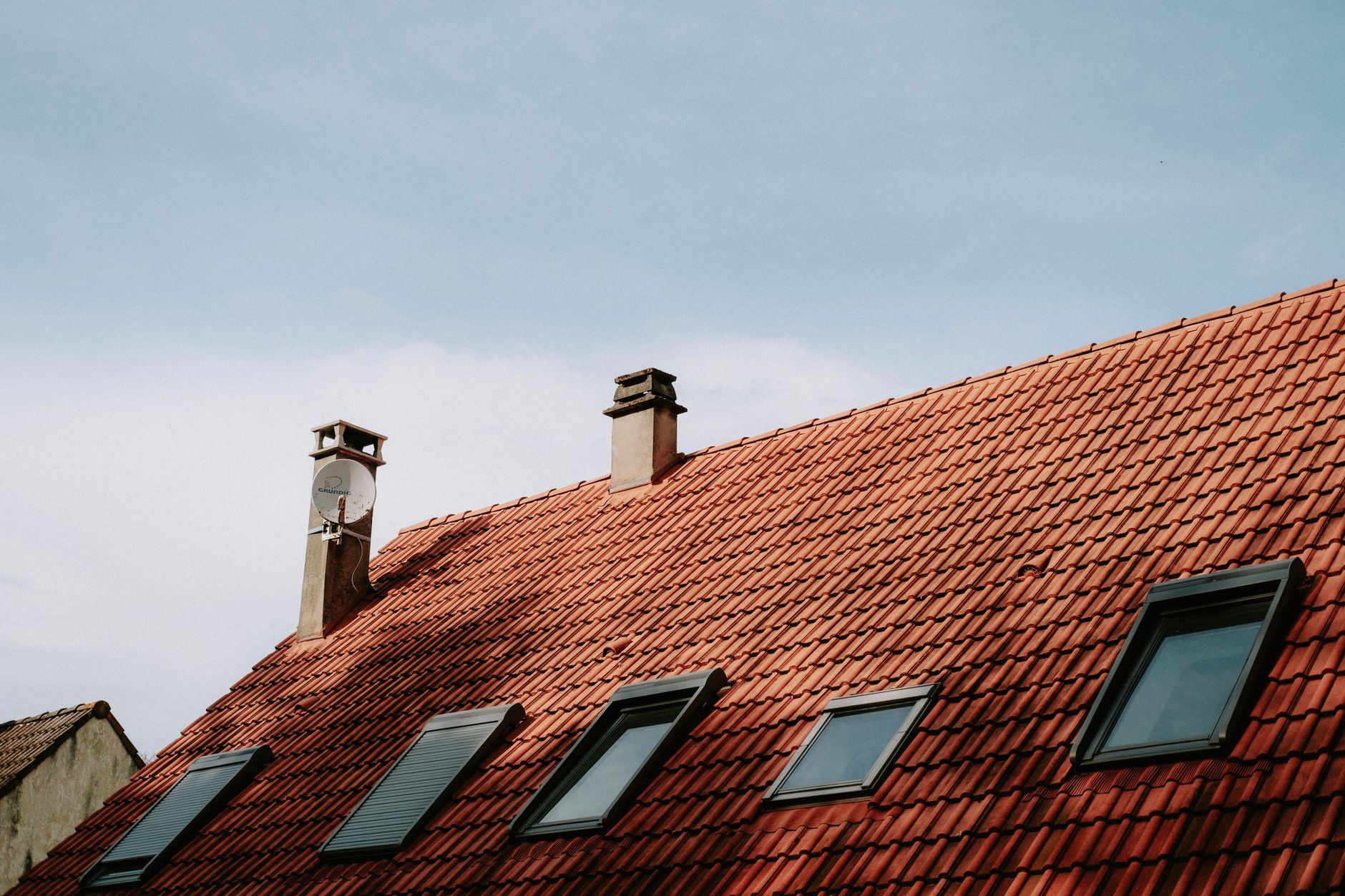
- A chimney top that sits below a nearby roof peak or a tall tree
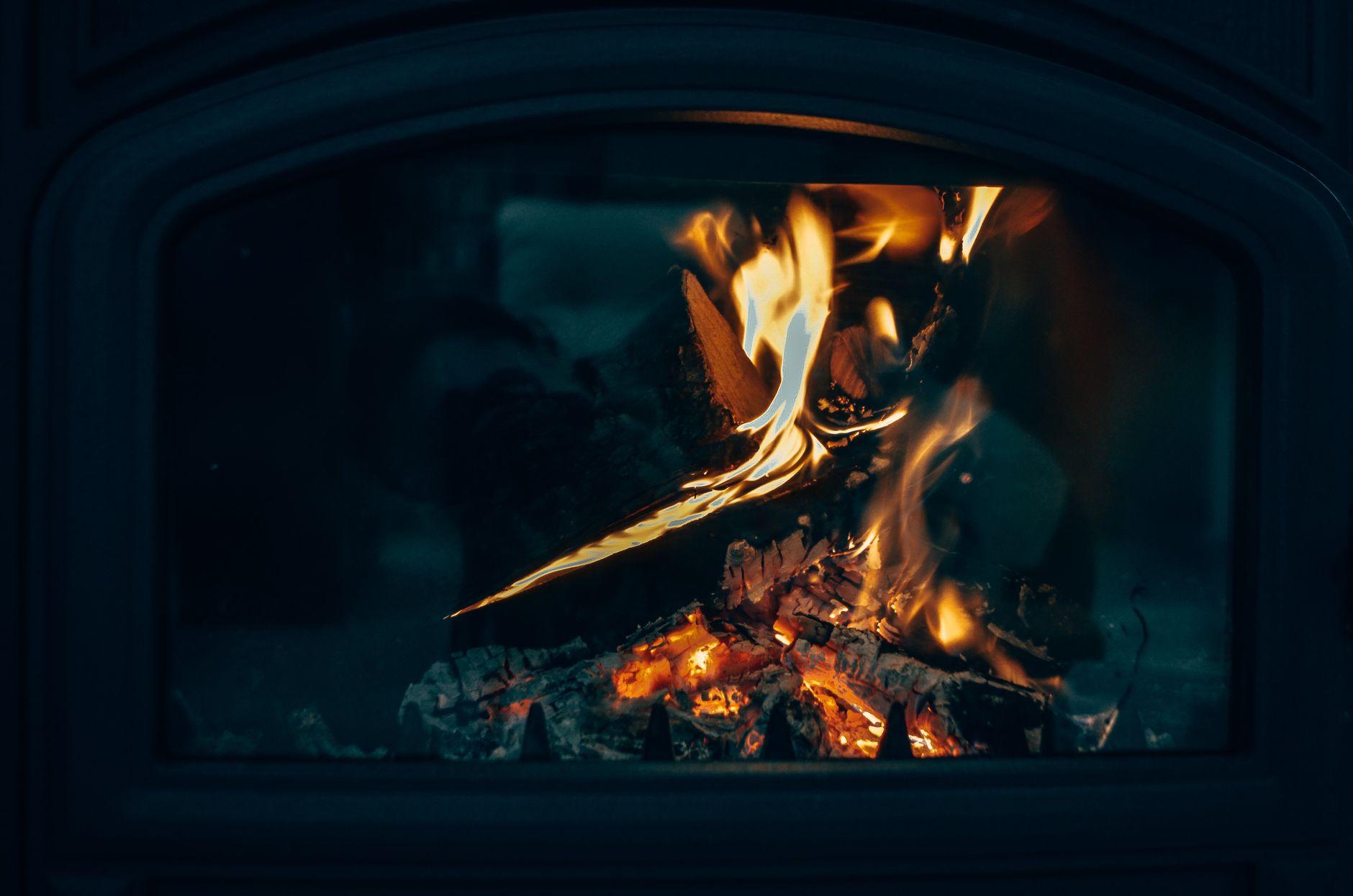
Gas fireplaces have their own version of the problem. Black film on the glass, a tired orange flame or a sharp smell while the unit runs usually points at the burner, the log layout or the vent, not at the brickwork.
Our published figures
These are the prices on our list. Everything else in this guide gets a written figure once we have seen the chimney.
| Work | Price |
|---|---|
| Brushing out a wood-burning flue | from $440 |
| Visual check of the parts we can reach | $175 |
| Camera run of the whole flue, recorded on video | $410 |
A new cap is quoted after we measure, by size and metal. A fair number of smoky fireplaces are cured by the first row. A flue coated in thick glazed deposits has a smaller working size than the one the mason built, and the draft drops with it. If the sweep clears that coating and the fire then draws, the job is finished.
When sweeping does not cure it, the camera is usually the next move. The recording shows cracked tiles, offset joints, a nest sitting on the smoke shelf, and whether the flue is wide enough for the opening below it. That last point decides more of the final bill than anything else.
Repairs without a list price
Some draft fixes depend so heavily on the chimney that a single number would mislead you. Each of these gets a written figure that names the parts, the labour and what we expect to find:
- Damper work. A sticking throat plate can sometimes be freed and reset; a rusted one may be swapped for a sealing damper at the top. See damper repair.
- Relining. A cracked or undersized flue can take a stainless liner matched to the opening. See liner installation.
- Shrinking the opening. A firebox too big for its flue can take a metal smoke guard across the top of the opening, or a raised hearth or new firebrick that reduces its height.
- Raising the top. A chimney in the wind shadow of a ridge may need extra height or a cap built to resist downdraft.
- Gas unit repair. Burner cleaning, log resetting and vent work depend on the make and the part. See gas fireplace repair.
None of these can be priced over the phone with any honesty. Two houses on the same Laguna Niguel street can have different flue sizes, different dampers and different roof lines, and each of those changes the work.
What decides your next step
Three facts set the route: what the fireplace burns, when the smoke appears, and what the inside of the flue looks like. A wood fireplace that smokes only while it is getting going often needs nothing more than a sweep and a quick look at how the house is drawing air. One that smokes through the whole fire usually needs the camera. A gas unit with soot on the glass needs someone who works on burners, not a mason.
If you can answer the first two, put them in the quote request form: wood or gas, when the smoke starts, and whether the fireplace ever drew well in the past. We call back with the visit that fits and its price.
Carbon monoxide first
Visible smoke is unpleasant. The exhaust you cannot see is the real danger. A fireplace that spills smoke can spill carbon monoxide with it, and a gas unit can do so with no smoke at all. If an alarm sounds, or people in the house get headaches that ease once they step outside, stop using the fireplace and open windows before you think about booking anything. Every draft visit we make includes a carbon monoxide reading in the room with the fire or burner running.
Checking a quote before you pay
Ask whoever quotes the work what they believe is causing the smoke and how they will show it. A sweep that ends with "that should help" leaves you guessing. A visit that ends with a test fire, a camera recording or a measured flue gives you something to hold the invoice against. Our report names the cause we found, the repair we recommend, and the price where we publish one.
Related reading: sweep or repair, damper repair costs and flue sizing and liners.
Smoke on the mantel in Laguna Niguel or the cities around it? Reach us through the contact page and we will set up the visit.
Smoke or Odor in Your Own Living Room?
Payne Chimney Experts is based in Laguna Niguel and covers the nearby south Orange County cities. We watch the fireplace burn, find what is holding the smoke back, and explain the fix before pricing it.